

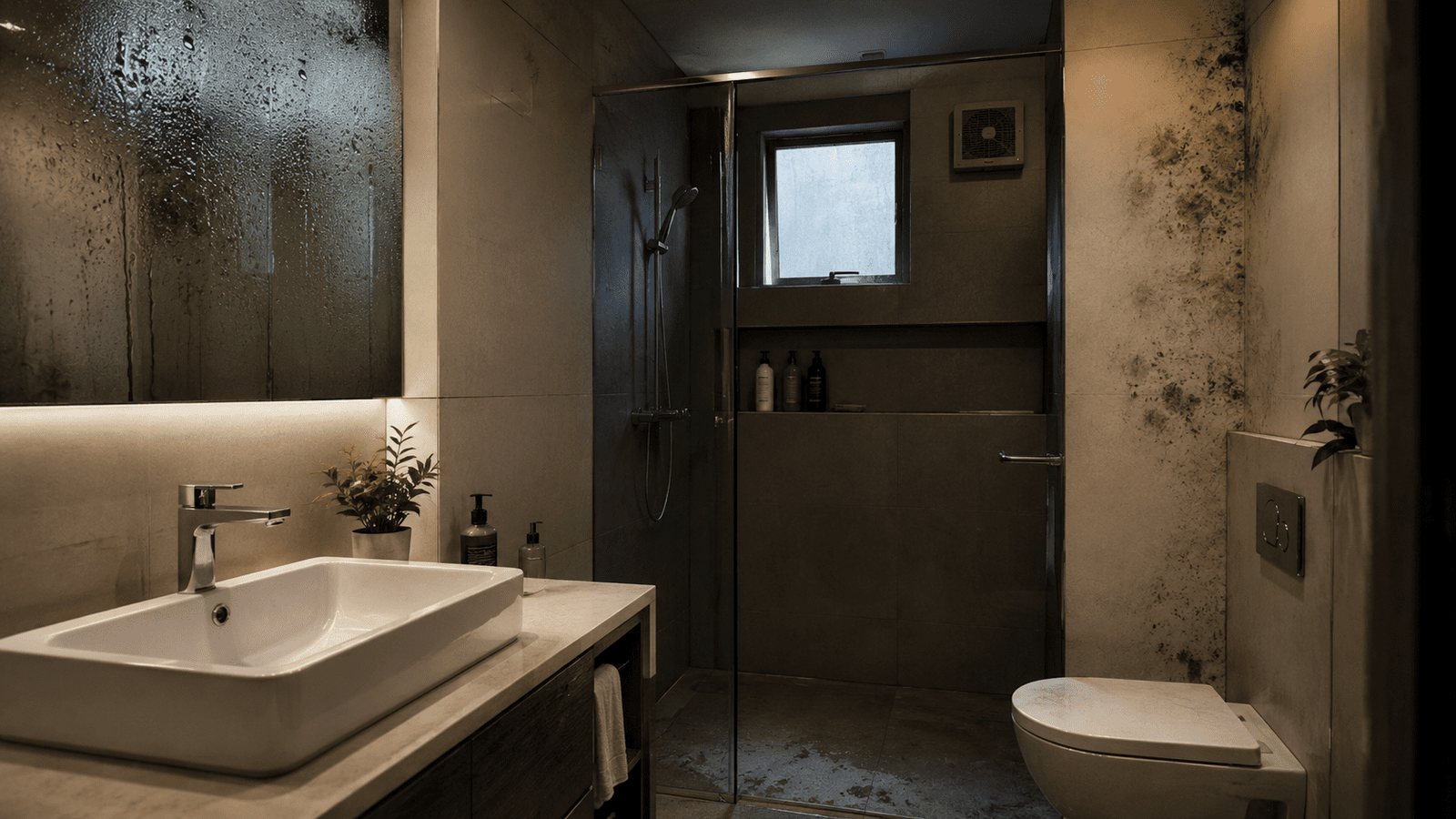
Health Alert: Is Your Bathroom Making You Sick?
Your bathroom is supposed to be the cleanest place in your home. It is where you brush your teeth, take a bath, freshen up, and maintain personal hygiene every day. But what if the same space is silently affecting your health?
Many people clean their living rooms and kitchens regularly but ignore hidden dangers inside bathrooms. Moisture, poor ventilation, germs, mold, dirty surfaces, and harmful chemicals can slowly turn a bathroom into a place that spreads illness instead of preventing it.
A poorly maintained bathroom can lead to allergies, breathing problems, skin irritation, infections, and even stress. The good news is that most of these problems are preventable with proper awareness and simple habits.
Modern bathrooms have evolved significantly in design, hygiene, and functionality over time. You can also explore how bathroom spaces transformed in our article on Bathroom Evolution in India.
Let’s understand how your bathroom could be making you sick and what you can do to create a healthier space.
1. Mold and Moisture Problems
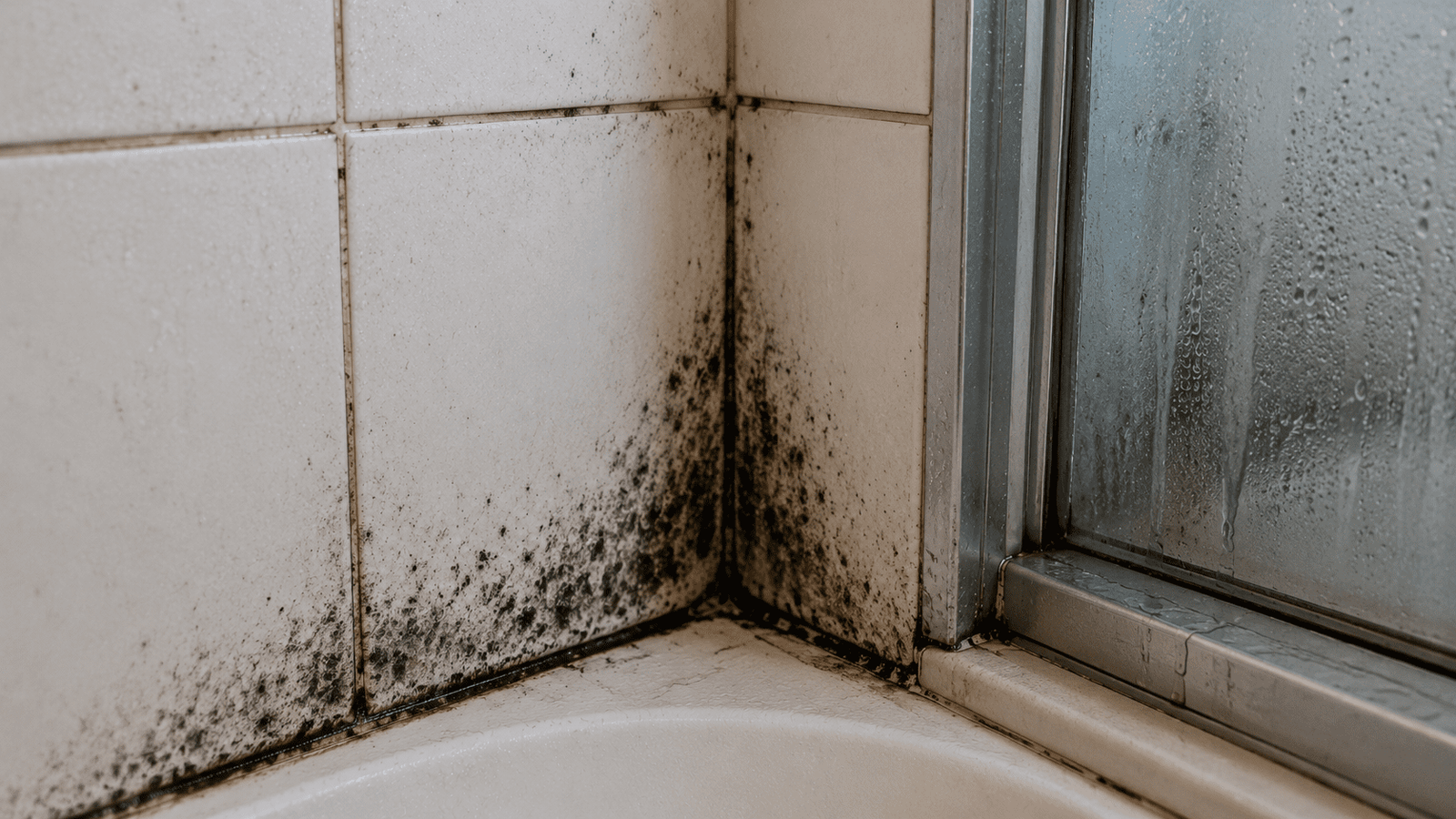
Bathrooms are naturally humid because of hot showers, wet floors, and water usage. When moisture stays trapped for long periods, mold and mildew begin to grow on walls, ceilings, corners, tiles, curtains, and even under sinks.
According to the CDC Mold Guide, mold exposure may cause respiratory irritation, allergies, coughing, and asthma-related symptoms in sensitive individuals.
Mold releases tiny spores into the air. Breathing these spores regularly may cause:
- Sneezing
- Coughing
- Allergies
- Eye irritation
- Skin irritation
- Asthma problems
- Breathing difficulty
People with weak immunity, children, and elderly individuals are more sensitive to mold exposure.
How to Prevent It
- Keep windows open after showers
- Use an exhaust fan
- Wipe wet surfaces regularly
- Repair leakage immediately
- Dry bath mats and towels properly
- Clean mold spots with safe disinfectants
A dry bathroom is a healthier bathroom.
2. Hidden Germs on Common Surfaces
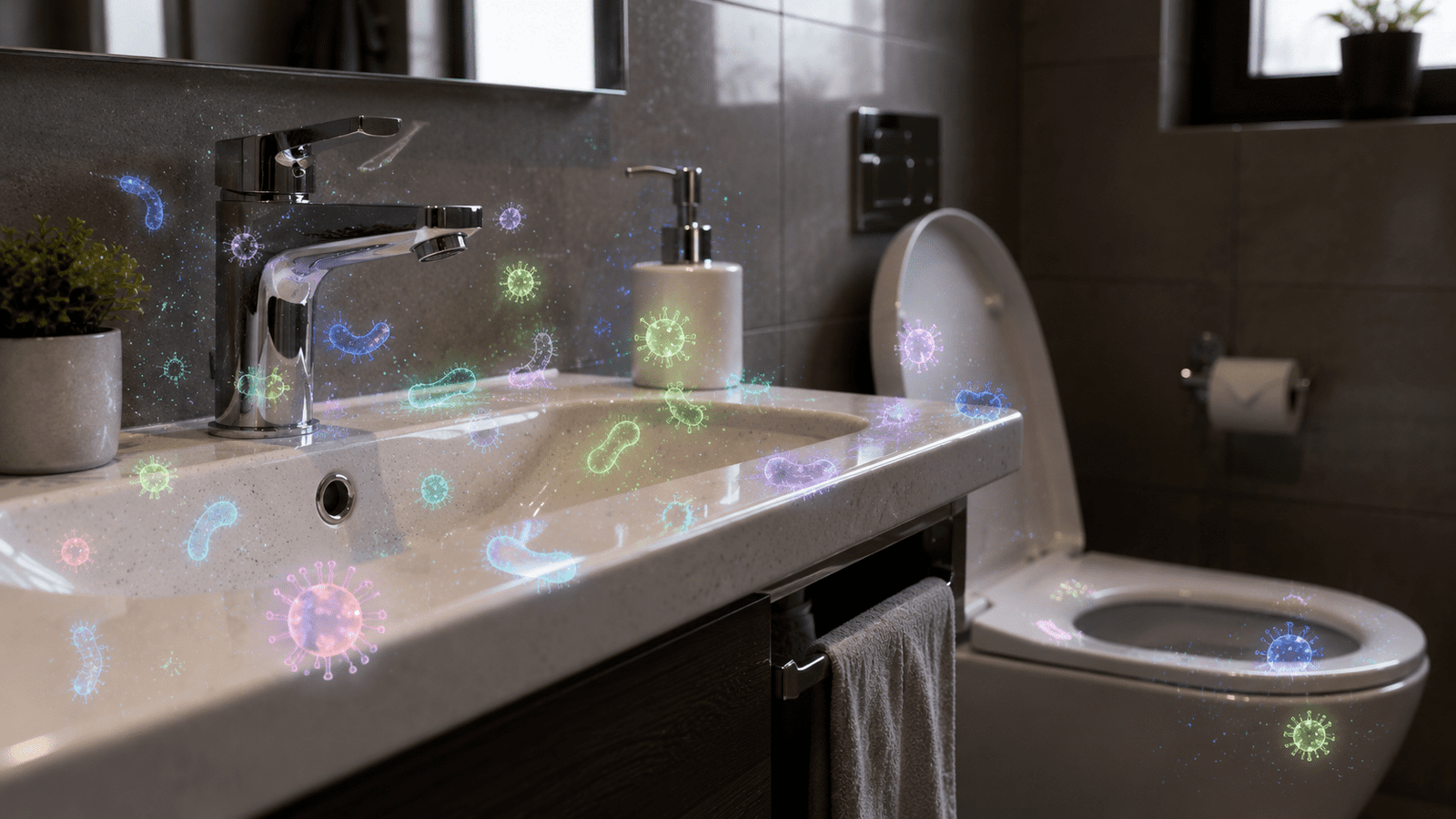
Many bathroom surfaces look clean but actually contain bacteria and viruses. Germs can survive on taps, flush handles, sinks, door knobs, toothbrush holders, and toilet seats.
Every time a toilet is flushed, tiny droplets may spread into the air and land on nearby surfaces. This is sometimes called “toilet plume.”
Your toothbrush, towels, or skincare products may get exposed without you realizing it.
Common Health Risks
- Stomach infections
- Food contamination
- Skin infections
- Viral illnesses
- Urinary infections
Simple Safety Tips
- Close the toilet lid before flushing
- Clean surfaces regularly
- Wash hands properly with soap
- Replace toothbrushes every few months
- Avoid sharing towels
- Keep personal items organized and dry
Small hygiene habits make a big difference.
3. Is Your Bathroom Making You Sick Due to Poor Ventilation?
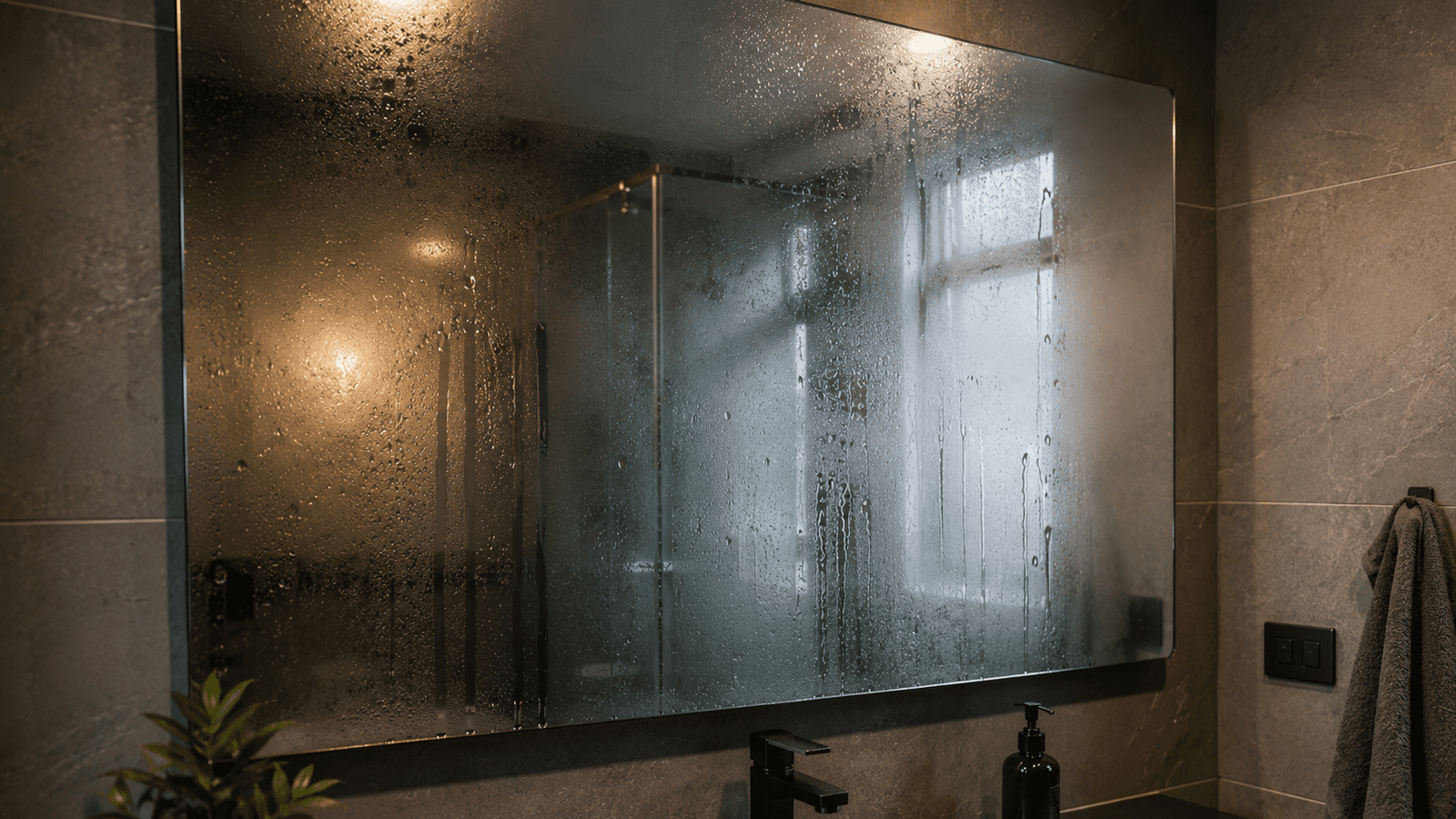
Bathrooms with poor airflow trap humidity, odors, chemicals, and bacteria. This creates an unhealthy indoor environment over time.
If your bathroom feels damp for hours after a shower, it may have ventilation problems. The EPA Indoor Air Quality Resources explain how indoor moisture and poor ventilation contribute to mold growth and unhealthy air conditions.
If your bathroom feels damp for hours after a shower, it may have ventilation problems.
Poor air circulation can lead to:
- Bad odor buildup
- Mold growth
- Headaches
- Respiratory irritation
- Increased humidity in nearby rooms
Improve Bathroom Ventilation
- Install an exhaust fan
- Open windows daily
- Allow natural sunlight inside
- Keep doors open when possible
- Use moisture absorbers if needed
Fresh air reduces bacterial growth and improves comfort.
4. Dirty Shower Curtains and Bath Mats
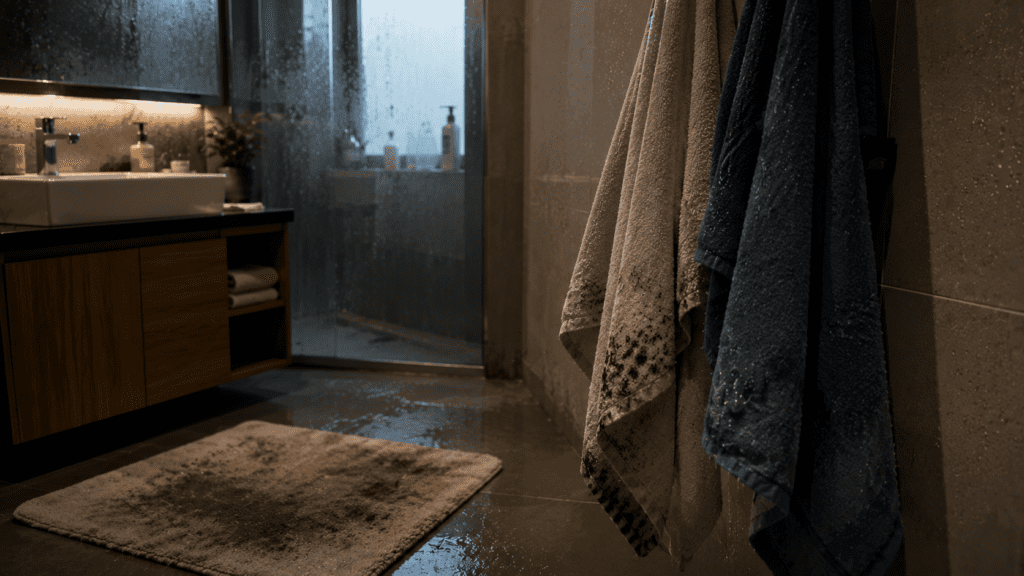
Shower curtains and bath mats are often ignored during cleaning. Because they remain wet for long periods, they become ideal places for bacteria and fungus.
Bath mats can collect:
- Dirt
- Sweat
- Dead skin
- Moisture
- Foot fungus
Standing on a dirty mat every day may spread fungal infections or skin irritation.
Better Cleaning Habits
- Wash bath mats weekly
- Dry them under sunlight
- Replace old shower curtains
- Use quick-dry materials
- Avoid leaving wet clothes on the floor
Clean fabrics help maintain better hygiene.
5. Chemical Cleaners May Harm Your Health
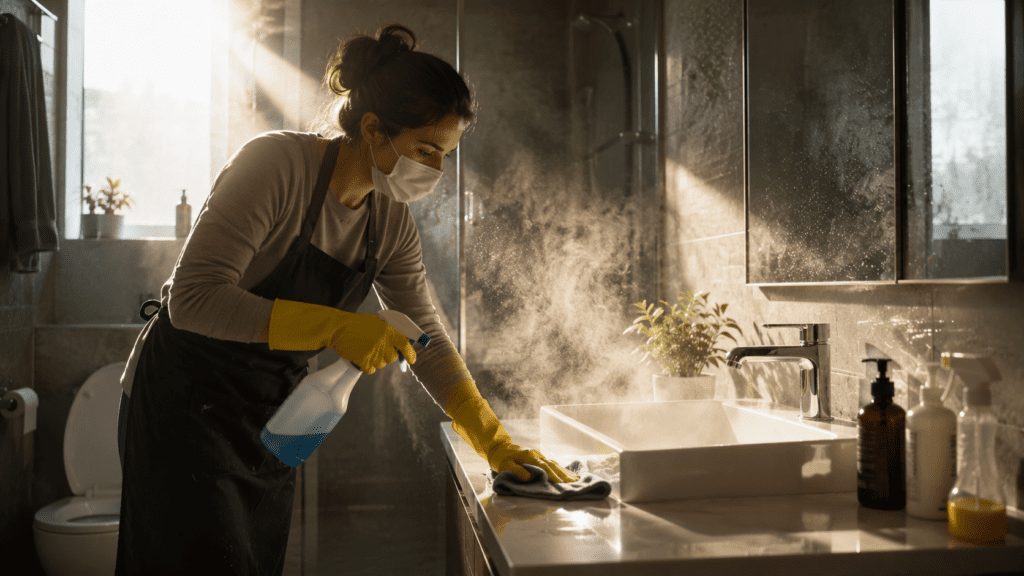
Many people use strong cleaning products to make bathrooms smell fresh and look spotless. However, excessive use of harsh chemicals may affect health.
Some cleaning products release fumes that can irritate:
- Eyes
- Skin
- Nose
- Lungs
Mixing certain chemicals accidentally can even create dangerous gases.
Safer Alternatives
- Use gloves while cleaning
- Keep bathrooms ventilated during cleaning
- Avoid mixing chemicals
- Choose mild or eco-friendly cleaners
- Store products away from children
Cleanliness is important, but safety matters too.
6. Plumbing Problems Can Spread Bacteria
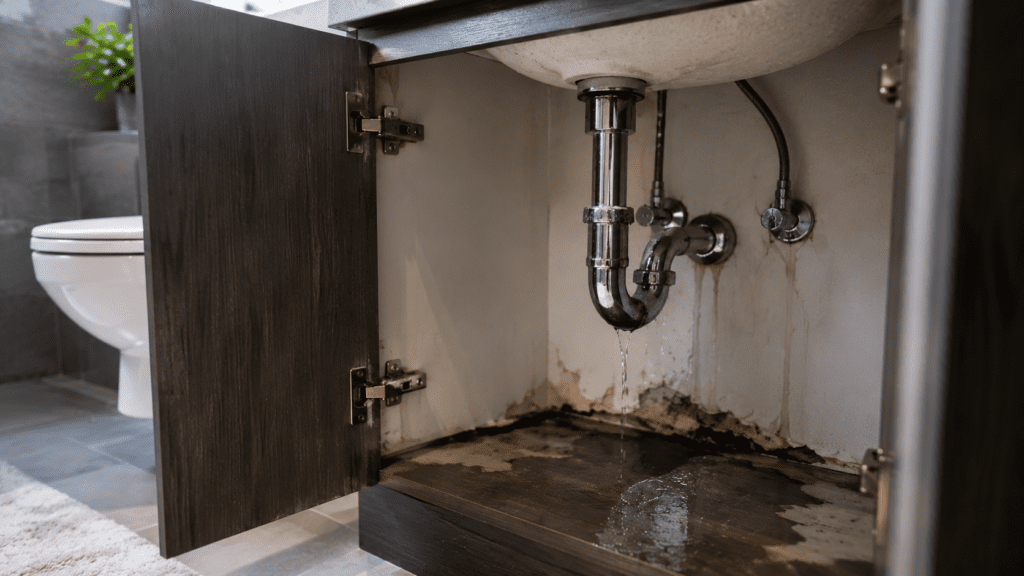
Leaking pipes, clogged drains, and standing water create perfect conditions for bacteria and insects.
A leaking sink cabinet or constantly wet corner may seem harmless, but over time it can lead to mold growth and unpleasant odors.
Blocked drainage may also attract pests like:
- Cockroaches
- Mosquitoes
- Drain flies
These pests can carry harmful bacteria into your home.
What You Should Do
- Fix leaks quickly
- Keep drains clean
- Avoid water stagnation
- Check hidden corners regularly
- Maintain plumbing systems properly
Ignoring small issues often leads to bigger health problems later.
Planning a bathroom remodel? Use our Bathroom Cost Estimator to understand renovation planning and budgeting.
7. Slippery and Unsafe Bathroom Conditions
Health risks are not only about germs. Bathroom accidents are also very common.
Wet floors, soap residue, and poor lighting increase the risk of slipping and falling, especially for children and elderly people.
Bathroom injuries can cause:
- Back pain
- Fractures
- Head injuries
- Muscle damage
Make Bathrooms Safer
- Use anti-slip mats
- Keep floors dry
- Install grab bars if needed
- Improve lighting
- Organize toiletries properly
Safety and hygiene should go together.
8. Your Towels Might Be Dirtier Than You Think
Many people use the same towel for several days without washing it. Damp towels become breeding grounds for bacteria and fungus.
A towel hanging in a humid bathroom may never dry completely.
This can lead to:
- Skin irritation
- Acne
- Body odor
- Fungal infections
Healthy Towel Habits
- Wash towels frequently
- Dry them in sunlight
- Avoid sharing towels
- Replace old towels regularly
Fresh towels help protect your skin.
9. Because of Outdated Bathroom Design?
Modern bathroom design is not only about appearance. Good design improves cleanliness and reduces health risks.
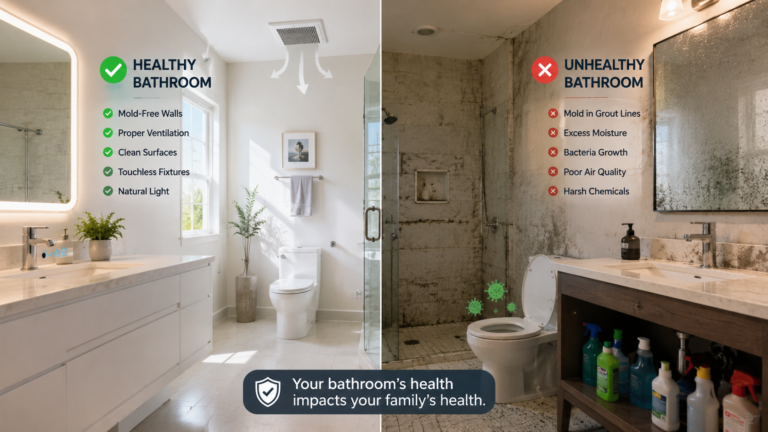
A healthy bathroom should include:
- Proper ventilation
- Good drainage
- Easy-to-clean surfaces
- Natural lighting
- Moisture-resistant materials
- Organized storage
Poorly designed bathrooms trap moisture and dirt, making maintenance difficult.
Even small upgrades can improve hygiene and comfort significantly.
Want inspiration for your next renovation? Explore our completed Bathroom Projects for modern bathroom ideas and healthier design concepts.

Final Thoughts
Your bathroom may look clean on the outside, but hidden moisture, germs, mold, poor ventilation, and neglected surfaces can quietly affect your health every day.
The good news is that creating a healthier bathroom does not always require expensive renovations. Simple habits like regular cleaning, proper ventilation, fixing leaks, drying wet surfaces, and maintaining hygiene can make a major difference.
A clean bathroom supports better health, better comfort, and peace of mind for the entire family.

If you are planning a cleaner, healthier, and more functional bathroom, connect with our experts through the Consultation Page for professional guidance and renovation support.
So the next time you step into your bathroom, ask yourself:
Is it truly clean — or just looking clean?
One Comment