
Protect Your Family: 5 Bathroom Health Hazards to Prevent
Bathrooms are meant to be spaces of cleanliness and relaxation. Yet, many homeowners are unaware that their bathrooms may contain hidden dangers that can impact their family’s health. From excess moisture and mold growth to airborne bacteria and harsh cleaning chemicals, these bathroom health hazards often go unnoticed until they become serious problems.
The good news is that most of these issues can be prevented with proper maintenance, healthy habits, and smart remodeling decisions. In this guide, we’ll uncover the most common bathroom health hazards and share practical tips to create a cleaner, safer bathroom for everyone in your home.
Understanding Bathroom Health Hazards
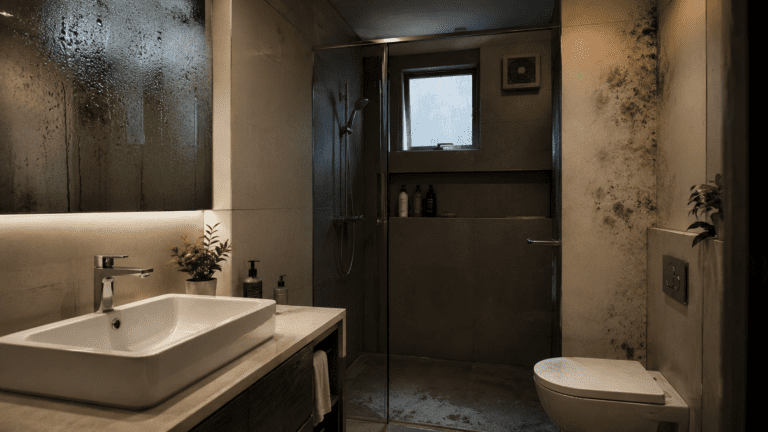
Bathroom health hazards are conditions or substances found in bathrooms that may negatively affect physical health. Since bathrooms are constantly exposed to water and humidity, they can easily become breeding grounds for bacteria, mold, and other harmful contaminants.
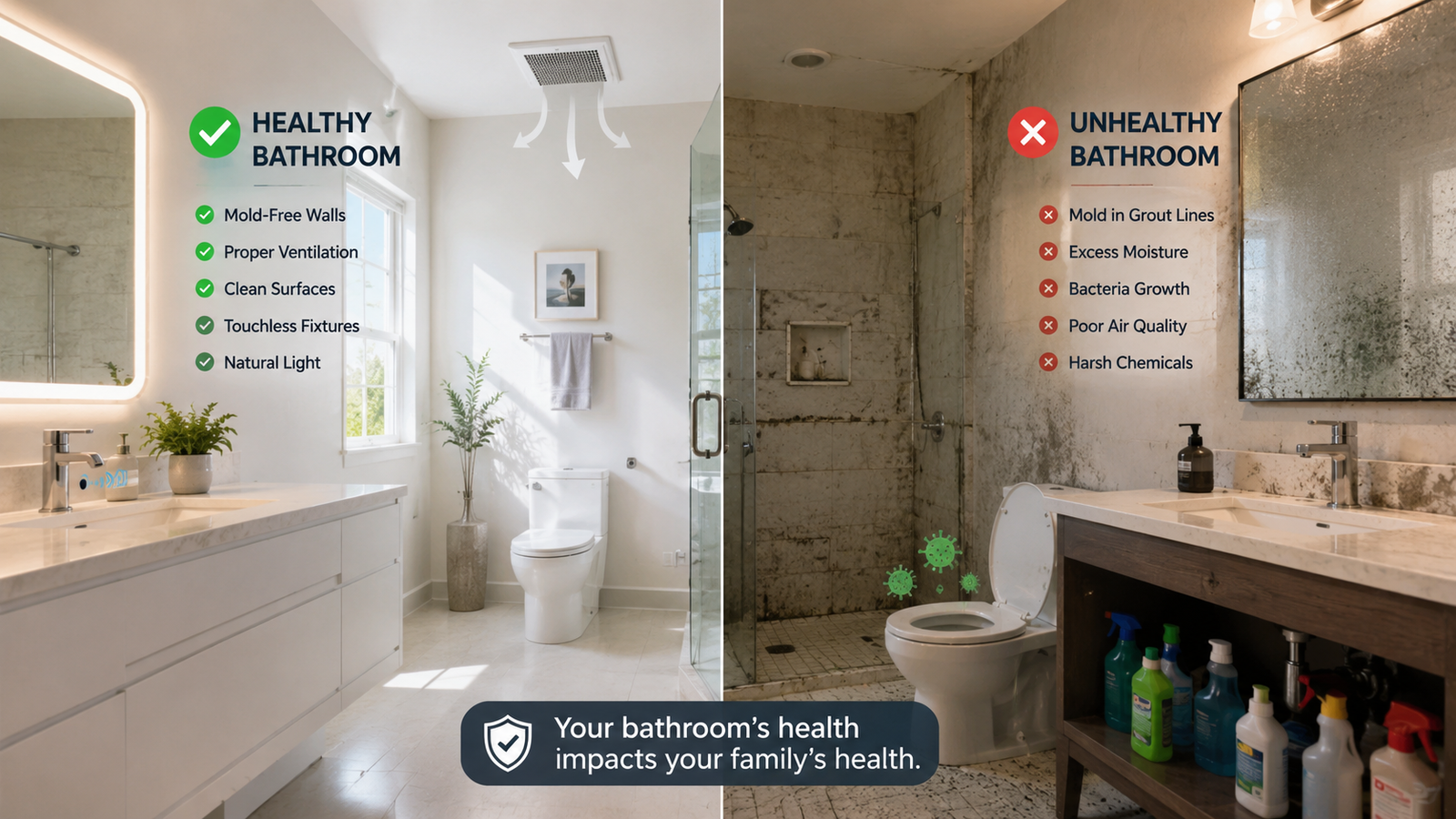
Common signs of an unhealthy bathroom include:
- Persistent musty odors
- Visible mold or mildew
- Excess condensation on mirrors and walls
- Peeling paint or damaged grout
- Poor air circulation
Recognizing these warning signs early can help prevent costly repairs and potential health issues.
1. Toilet Plume: The Invisible Germ Cloud
One of the lesser-known bathroom health hazards is something called toilet plume. Every time a toilet is flushed, tiny droplets containing bacteria can be released into the surrounding air.
These microscopic particles may settle on nearby surfaces, including:
- Toothbrushes
- Towels
- Countertops
- Personal care products

How to Reduce Toilet Plume Risks
Fortunately, a few simple habits can reduce exposure:
- Close the toilet lid before flushing.
- Store toothbrushes away from the toilet area.
- Disinfect high-touch surfaces regularly.
- Wash your hands thoroughly after using the restroom.
These small changes can make a significant difference in maintaining a healthier bathroom environment.
2. Mold and Mildew: Common Bathroom Health Hazards
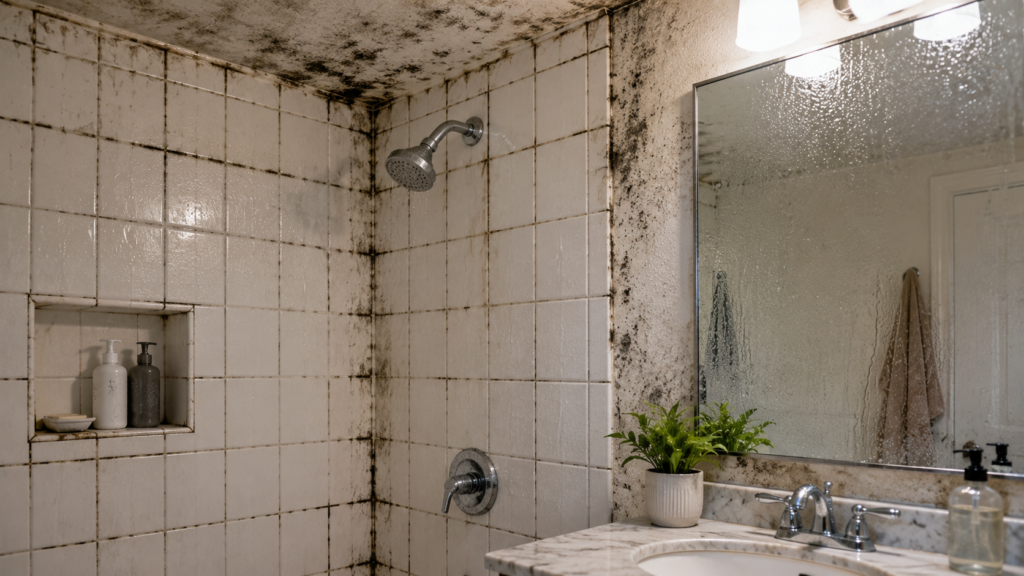
Mold and mildew thrive in damp spaces, making bathrooms one of their favorite places to grow. While many homeowners view mold as simply an aesthetic problem, it can also affect indoor air quality.
Potential Health Effects of Mold
Mold exposure may contribute to:
- Allergic reactions
- Sneezing and coughing
- Eye irritation
- Worsening asthma symptoms
- Respiratory discomfort
Bathroom Mold Prevention Tips
Preventing mold doesn’t have to be complicated. Consider these strategies:
- Run your exhaust fan during and after showers.
- Repair leaking pipes promptly.
- Dry wet surfaces regularly.
- Use mold-resistant paint during renovations.
- Clean grout lines periodically.
Proactive bathroom mold prevention helps protect both your home and your family’s well-being.
3. Old Toothbrushes: Small Item, Big Problem
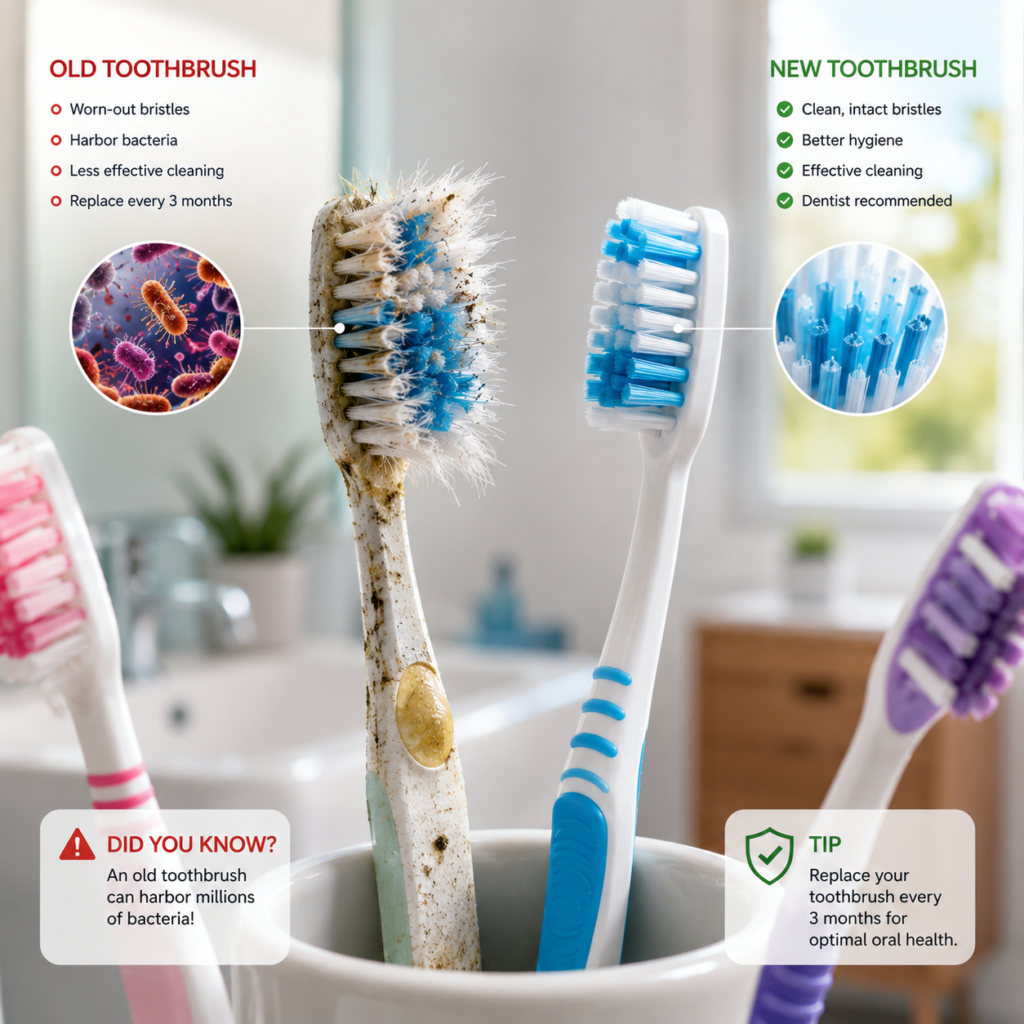
Toothbrushes play an essential role in oral hygiene, but they can also become bacterial hotspots if not properly maintained.
After several months of use, toothbrush bristles begin to wear down and may harbor microorganisms, especially when stored in humid environments.
Best Practices for Toothbrush Hygiene
- Replace toothbrushes every three to four months.
- Store them upright to allow air drying.
- Avoid covering toothbrushes while wet.
- Replace them after recovering from illness.
Maintaining good toothbrush habits can eliminate one of the simplest yet overlooked bathroom health hazards.
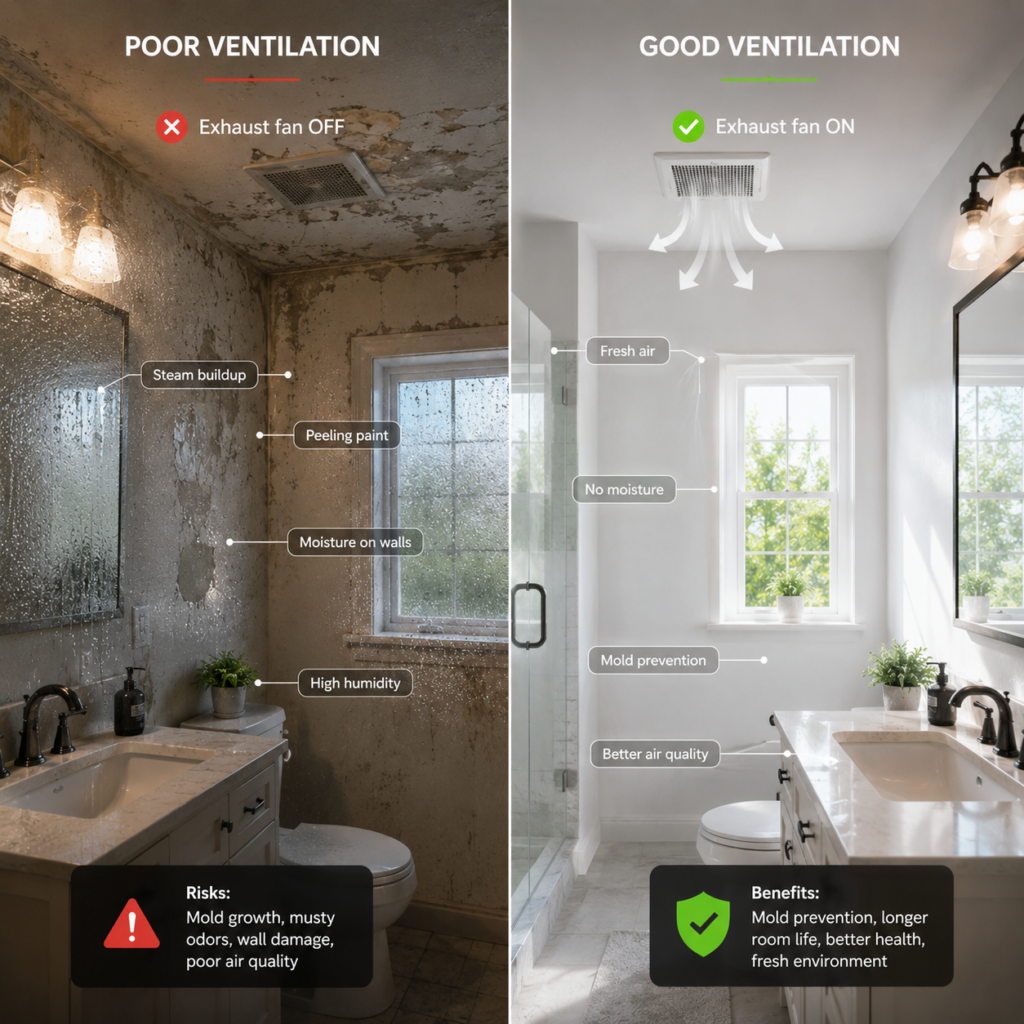
4. Poor Ventilation and Excess Moisture
Bathrooms naturally generate moisture through bathing and showering. Without adequate airflow, this moisture becomes trapped, creating ideal conditions for mold and bacteria.
Poor ventilation can also lead to:
- Lingering odors
- Peeling paint
- Warped cabinetry
- Declining indoor air quality
Bathroom Ventilation Tips for a Healthier Home
Proper ventilation is one of the most effective ways to reduce bathroom health hazards.
Install an Exhaust Fan
A high-quality exhaust fan helps remove humidity and maintain airflow.
Open Windows Whenever Possible
Natural ventilation allows fresh air to circulate throughout the space.
Leave the Door Open After Showering
Encouraging air movement helps dry out moisture-prone areas more quickly.
Consider a Dehumidifier
If your bathroom lacks windows or adequate ventilation, a compact dehumidifier can help regulate humidity levels.
Implementing these bathroom ventilation tips can dramatically improve your bathroom’s overall health and comfort.
5. Toxic Cleaning Products: A Hidden Concern
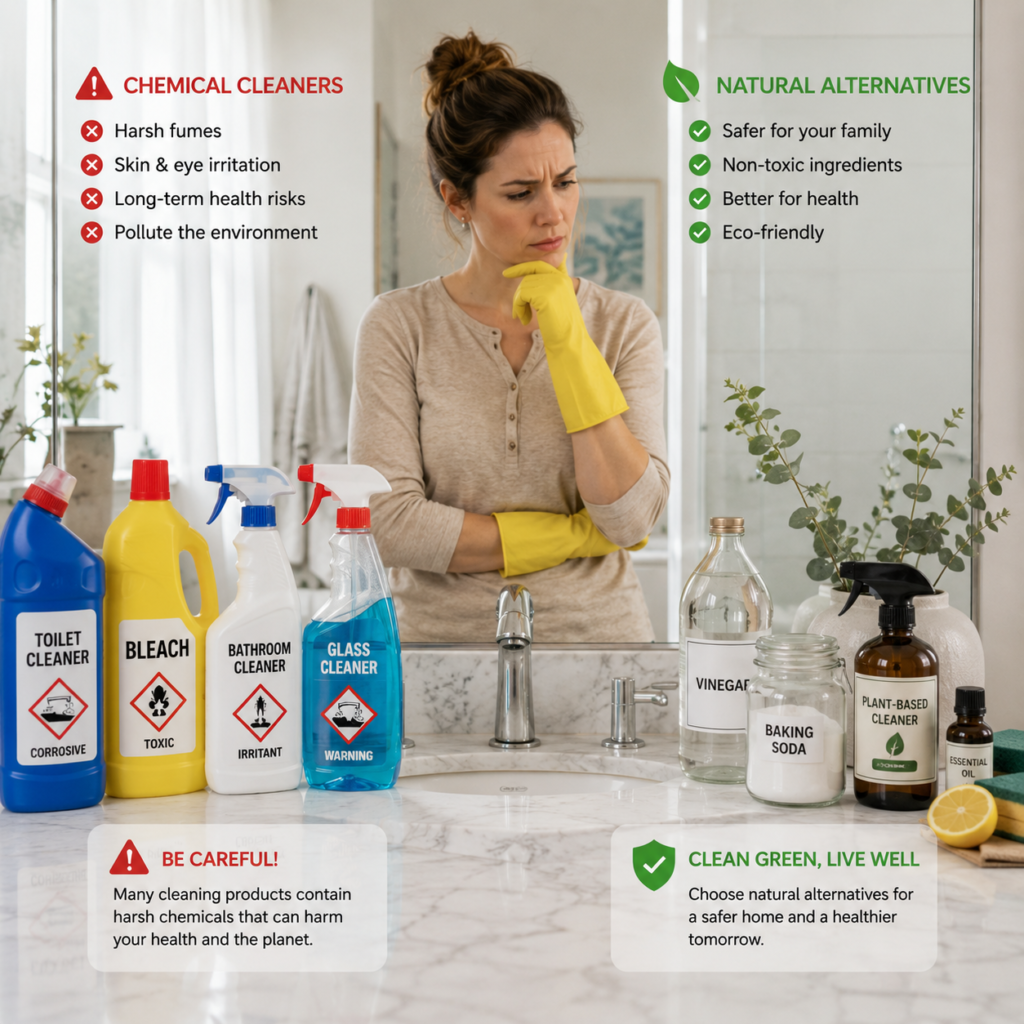
Many homeowners rely on strong chemical cleaners to sanitize their bathrooms. However, some products contain ingredients that may irritate the skin, eyes, or respiratory system.
Common ingredients to watch for include:
- Ammonia
- Chlorine bleach
- Synthetic fragrances
- Volatile Organic Compounds (VOCs)
Safer Cleaning Alternatives
Consider switching to:
- Plant-based cleaners
- Fragrance-free disinfectants
- Baking soda solutions
- Vinegar-based cleaning mixtures
Choosing safer products contributes to a more healthy bathroom design while reducing unnecessary chemical exposure.
How Bathroom Remodeling Can Improve Health
Modern renovations aren’t just about style. Thoughtful remodeling choices can significantly reduce bathroom health hazards while enhancing comfort and functionality.
Healthy Bathroom Design Features
Improved Ventilation Systems
Upgrading ventilation equipment helps control moisture more effectively.
Mold-Resistant Materials
Waterproof flooring, mildew-resistant grout, and moisture-resistant drywall provide long-term protection.
Better Storage Solutions
Organized storage reduces countertop clutter and minimizes contamination risks.
Easy-to-Clean Surfaces
Smooth, non-porous materials simplify maintenance and discourage bacterial buildup.
Incorporating these elements into your remodel creates a healthier environment for the entire household.
Bathroom Remodeling Ideas for a Safer Space
If you’re considering an upgrade, these bathroom remodeling ideas can support better health outcomes:
- Install larger tiles to minimize grout lines.
- Upgrade aging plumbing fixtures to prevent leaks.
- Add improved task lighting for easier cleaning.
- Choose slip-resistant flooring materials.
- Invest in touchless faucets to reduce germ transmission.
Practical remodeling decisions can provide both immediate and long-term benefits.
Simple Habits to Reduce Bathroom Health Hazards
Creating a healthier bathroom doesn’t always require a complete renovation. Start with these everyday habits:
- Clean frequently touched surfaces each week.
- Wash bath mats and shower curtains regularly.
- Monitor humidity levels.
- Address leaks as soon as they occur.
- Replace worn caulking and grout.
- Keep personal care items organized and dry.
Consistency is often the key to preventing common bathroom health hazards.
Conclusion: Is It Time to Upgrade Your Bathroom?
Your bathroom should support your family’s health, not compromise it. By recognizing hidden bathroom health hazards such as mold, poor ventilation, bacterial contamination, and chemical exposure, you can take meaningful steps toward creating a safer space.
Whether it’s adopting better cleaning practices or investing in a well-planned renovation, every improvement contributes to a healthier home environment.
External Resources
- CDC Healthy Homes: https://www.cdc.gov/healthyhomes/
- EPA Indoor Air Quality: https://www.epa.gov/indoor-air-quality-iaq
- American Lung Association Indoor Air: https://www.lung.org/clean-air/indoor-air