
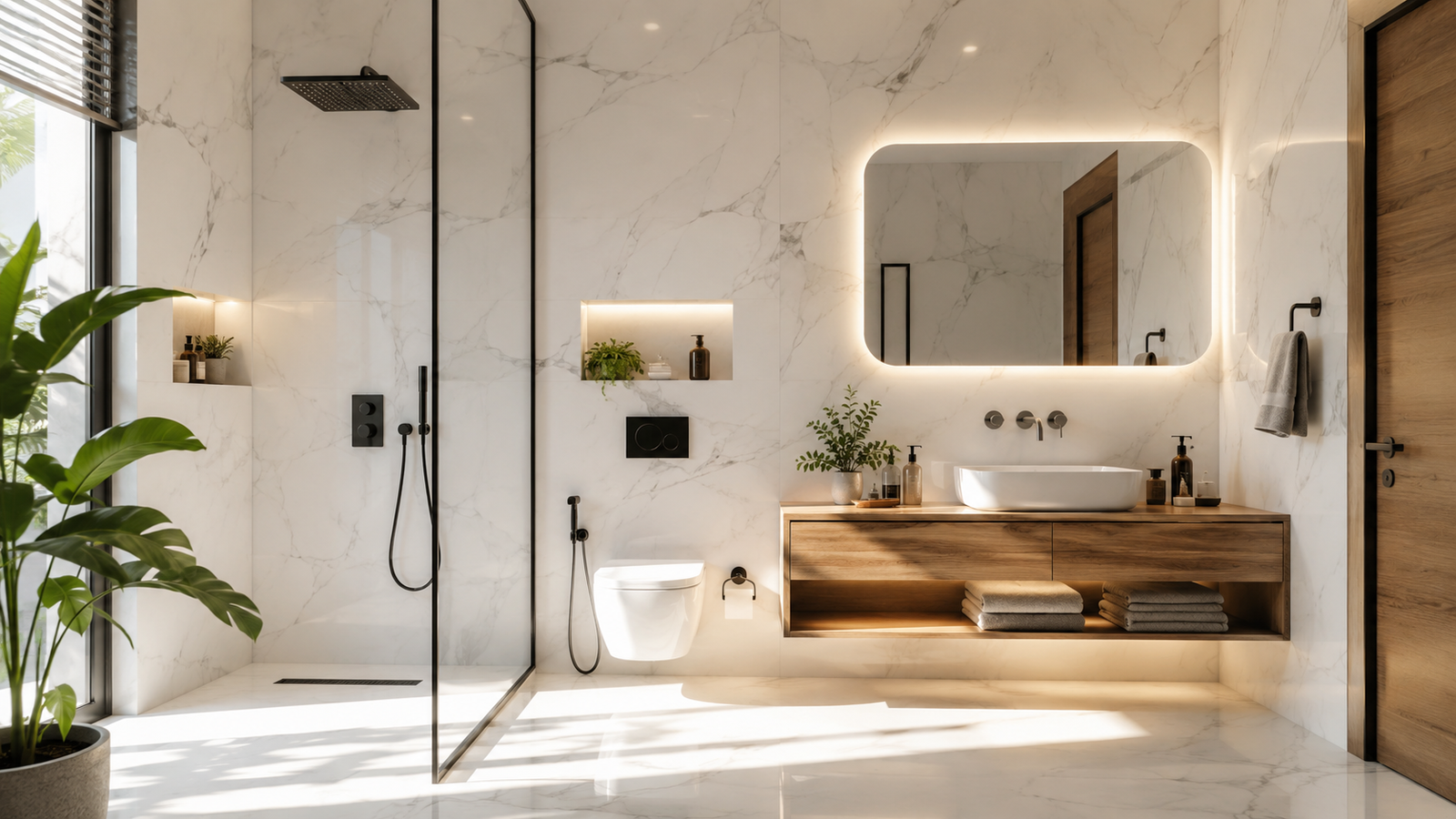
Bathroom Maintenance Tips That Extend the Life of Your Fixtures (2026)
Quick Answer: To extend the life of your bathroom fixtures, establish a regular cleaning routine using mild, non-abrasive products. Fix minor leaks immediately to prevent structural damage, ensure proper ventilation to stop mold growth, and remove hard water stains regularly with white vinegar. Consistent upkeep, avoiding harsh chemical drain cleaners, and conducting annual plumbing inspections will keep your bathroom looking brand new and functioning perfectly for years.
Introduction
Your bathroom is one of the most frequently used spaces in your home, yet it is often the most neglected when it comes to preventive care. Many homeowners in India only think about bathroom maintenance when a pipe bursts, a faucet breaks, or water starts seeping through the walls. Unfortunately, waiting for a breakdown is a costly mistake.
Poor maintenance inevitably leads to expensive repairs. Hard water scale can destroy expensive showerheads, hidden leaks can ruin your masonry, and poor ventilation can lead to toxic mold growth. On the other hand, dedicating just a little time to regular upkeep can save you thousands of rupees in the long run.
The benefits of regular maintenance go far beyond just saving money. A well-maintained bathroom offers better hygiene, a sparkling appearance, and a relaxing atmosphere. Routine care protects your investment, especially if you have recently invested in high-quality fittings.
In this comprehensive bathroom cleaning guide 2026, you will learn exactly how to maintain bathroom fixtures like a pro. We will cover everything from daily habits to annual plumbing checks, ensuring your bathroom remains a pristine, functional sanctuary for years to come.
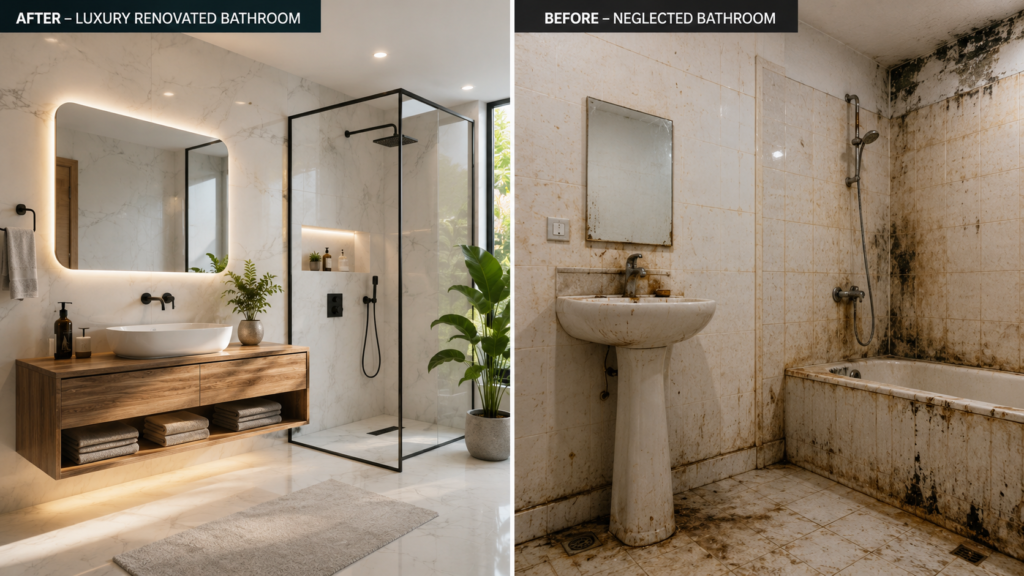
Why Bathroom Maintenance Matters
Understanding the true value of regular bathroom maintenance tips can completely change how you care for your home. Consistent maintenance is the ultimate key to preserving the beauty and functionality of your space.
First and foremost, routine care saves you money. According to plumbing experts, proactive maintenance can extend the lifespan of your fixtures by up to 50%. A minor drip might seem harmless, but over a year, it can waste thousands of liters of water, heavily inflating your utility bills.
Secondly, regular cleaning dramatically improves your family’s hygiene. Bathrooms are naturally humid environments, making them perfect breeding grounds for harmful bacteria and black mold. Proper bathroom fixture maintenance eliminates these health hazards before they can spread.
Finally, consistent maintenance prevents irreversible damage. Hard water, which is incredibly common across India, leaves mineral deposits that can permanently corrode chrome and brass fixtures. By following a structured routine, you actively extend bathroom fixture life and maintain the aesthetic appeal of your home.
1. Clean Fixtures Every Week
Why Weekly Cleaning Matters
Consistency is the secret to a sparkling bathroom. When you clean your fixtures every week, you prevent soap scum, body oils, and hard water minerals from hardening into stubborn layers. Regular bathroom cleaning tips ensure that your fixtures retain their original factory shine.
Recommended Cleaning Products
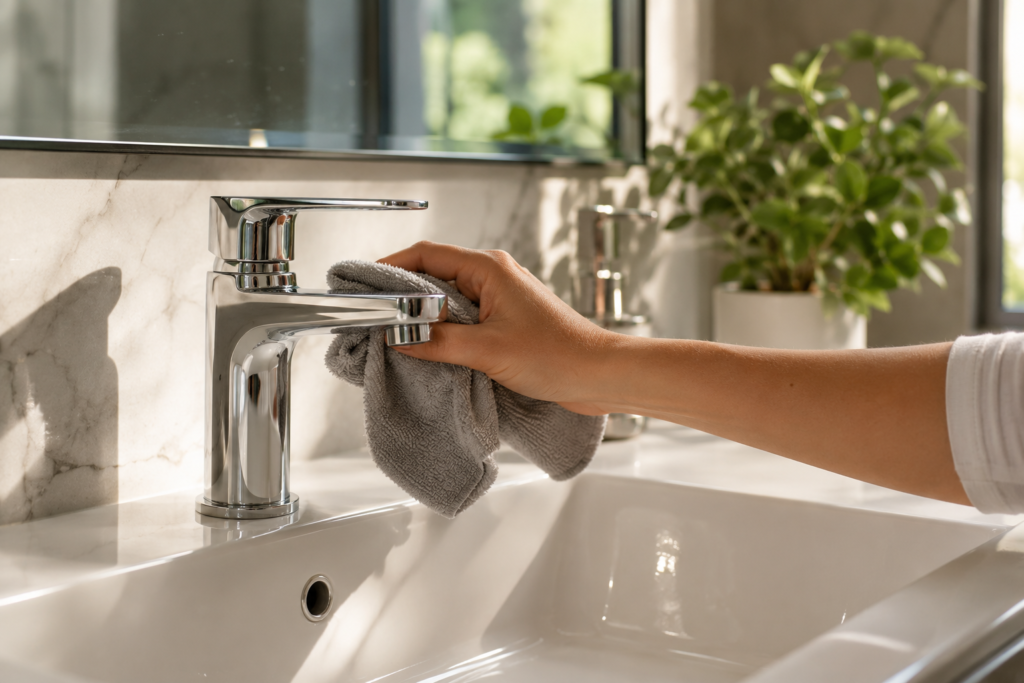
For the best results, you must use the right tools. Stick to mild liquid dish soap, diluted white vinegar, or pH-neutral bathroom surface cleaners. Microfiber cloths are absolutely essential, as they trap dirt without scratching delicate chrome or matte black finishes.
What Products to Avoid
Never use harsh, abrasive cleaners on your fixtures. Scouring pads, steel wool, and heavy-duty acid-based toilet cleaners (often heavily misused in India) will permanently strip the protective coating off your taps and showerheads. Once the finish is damaged, rust will inevitably set in.
Cleaning Frequency and Expert Tips
Make it a habit to wipe down your washbasin and shower fittings at least once a week.
- Expert Tip: Keep a small microfiber cloth dry and handy near the sink.
- Daily Habit: Quickly wipe away water droplets after brushing your teeth to prevent water spots from forming in the first place.
2. Fix Leaks Immediately
Common Bathroom Leaks
Leaking fixtures are more than just a nuisance; they are a direct threat to your home’s infrastructure. The most common leaks occur at the base of the faucet, the showerhead joint, the toilet flapper, and the health faucet (jet spray) connections.
Hidden Leaks and Structural Damage
Not all leaks are visible to the naked eye. Hidden leaks behind the tiles or under the flooring can cause severe water seepage. In Indian apartments, this often results in peeling paint on the adjacent walls or a damp, musty smell that refuses to go away.
Water Wastage
Ignoring a dripping tap is essentially flushing money down the drain. According to the U.S. Geological Survey (USGS) Drip Calculator, a faucet that drips just once per second can waste over 11,000 liters of water in a single year. Prompt bathroom plumbing maintenance is both an economic and environmental necessity.
Signs of Leaking Fixtures and Prevention
Look out for sudden drops in water pressure, unexplained puddles on the floor, or the sound of running water when everything is turned off.
- Preventive Tip: Check the rubber washers and O-rings inside your faucets every few years, as these are usually the first components to degrade and cause drips.
3. Remove Hard Water Deposits
What Causes Hard Water Stains
If your home relies on borewell water, you are likely fighting a constant battle against hard water. This water contains high levels of calcium and magnesium. When the water evaporates, it leaves behind crusty, white chalky stains known as limescale.
Effects on Taps and Showerheads
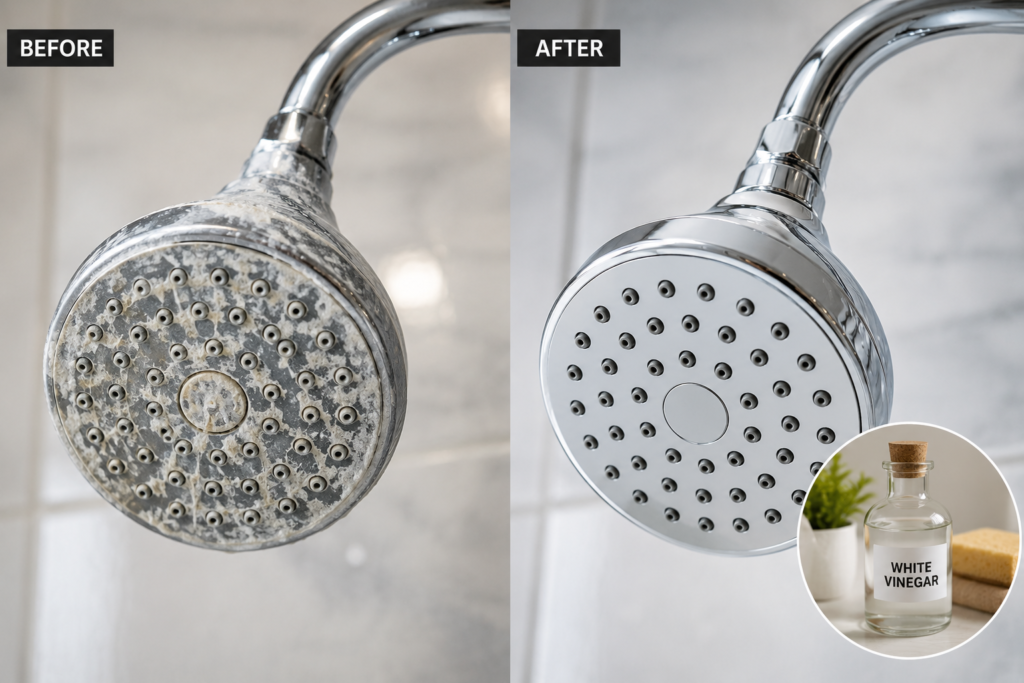
Over time, limescale buildup is disastrous for your fixtures. It blocks the tiny rubber nozzles on your showerheads, causing water to spray in random directions. Furthermore, severe hard water scale can calcify the internal cartridges of your expensive mixer taps, causing them to jam completely.
DIY Removal Methods (The Vinegar Method)
You do not need toxic chemicals for effective hard water stain removal. White vinegar is a natural, highly effective descaler.
- Mix equal parts of white vinegar and water in a spray bottle.
- Spray the solution generously over the affected fixtures.
- Let it sit for 15 to 20 minutes to break down the minerals.
- Scrub gently with a soft toothbrush and rinse thoroughly with warm water.
Preventive Maintenance
To prevent severe buildup, invest in a whole-house water softener or attach a point-of-use hard water filter directly to your shower arm. Additionally, drying your fixtures with a towel immediately after a shower is the easiest way to stop hard water stains from forming.
4. Keep the Bathroom Well Ventilated
Importance of Ventilation
Proper airflow is one of the most critical, yet frequently overlooked, bathroom care tips. Bathrooms generate massive amounts of steam and moisture. Without an escape route, this moisture settles on your walls, ceilings, and metal fixtures, accelerating corrosion and decay.
Humidity Control and Mold Prevention
India’s diverse climate, especially during the monsoon season, naturally brings high humidity. If your bathroom stays damp, it creates the perfect ecosystem for black mold and mildew. Effective ventilation pushes this humid air out, keeping your space dry and sanitary.
Exhaust Fans and Windows
Every bathroom should have an exhaust fan installed. Turn the fan on before you step into the shower and leave it running for at least 15 to 20 minutes after you finish. If your bathroom has a window, keep it open during the day to encourage natural cross-ventilation.
Maximizing Air Circulation
Do not crowd your bathroom with wet towels and damp floor mats. Hang wet towels outside to dry, and keep your bathroom door slightly ajar when the room is not in use. Excellent air circulation is the cheapest way to prevent bathroom mold.

5. Protect Grout and Silicone Sealant
Why Grout Fails
Grout is the porous material used to fill the gaps between your bathroom tiles. Over time, constant exposure to water, harsh floor cleaners, and foot traffic causes grout to crack, crumble, or wash away entirely.
Water Seepage Issues
When grout fails, water easily seeps beneath the tiles. This compromises the waterproofing layer of your bathroom, leading to loose tiles and massive structural dampness. This is a massive issue in high-rise buildings and requires extensive bathroom renovation maintenance to fix.
Signs of Damaged Sealant
Silicone sealant is used around the edges of washbasins, bathtubs, and commodes to create a watertight barrier. If you notice the silicone peeling away, turning black with trapped mold, or cracking, it is no longer doing its job.
Resealing Schedule and Best Practices
You should inspect your grout and sealant every six months.
- Maintenance Practice: Scrape out old, moldy silicone and apply a fresh bead of high-quality, mold-resistant sanitary silicone.
- Consider upgrading to epoxy grout for your floor tiles, as it is completely waterproof and highly stain-resistant.
6. Avoid Chemical Drain Cleaners
Why Harsh Chemicals Damage Plumbing
When a sink clogs, many homeowners immediately reach for heavy-duty chemical drain cleaners. This is a terrible idea. These liquids use intense chemical reactions to generate heat, which can actually melt PVC pipes, weaken pipe joints, and corrode expensive metal drain covers.
Natural Alternatives
Instead of toxic chemicals, rely on safe, household alternatives. A mixture of baking soda and vinegar is fantastic for breaking down minor soap and grime blockages. Pour half a cup of baking soda down the drain, followed by a cup of white vinegar, let it fizz for 15 minutes, and flush with boiling water.
Hair Trap Usage
Hair is the number one cause of bathroom drain clogs. Prevention is infinitely better than an expensive plumbing cure. Always use a high-quality stainless steel or silicone hair trap (jali) over your shower and sink drains to catch hair before it enters the plumbing system.
Preventive Cleaning Tips
To keep your pipes flowing smoothly, make a habit of pouring a kettle of boiling water down your drains once a week. This simple trick melts away greasy soap scum build-up and keeps your plumbing lines clear and odor-free.
7. Check Water Pressure
Ideal Household Water Pressure
Water pressure that is too low is frustrating, but water pressure that is too high is incredibly destructive. The ideal water pressure for a residential bathroom sits between 40 and 60 PSI (Pounds per Square Inch).
Problems Caused by High Pressure
Many Indian homes use overhead water tanks paired with heavy-duty pressure booster pumps. If these pumps are set too high, the excessive force puts immense strain on your entire plumbing system. It can cause pipes to bang behind the walls (water hammer) and joints to burst.
Effects on Bathroom Fixtures
High water pressure actively destroys your fixtures from the inside out. It blows out the delicate ceramic cartridges inside single-lever mixers, causes health faucets to leak constantly, and destroys the internal valves of your flush tank.
When to Call a Plumber
If your faucets spit water aggressively, or you hear loud banging sounds when you turn off a tap, your pressure is too high. Call a professional plumber to install a Pressure Reducing Valve (PRV) or to recalibrate your home’s water booster pump immediately.
8. Tighten Loose Fixtures
Faucets and Shower Handles
Through daily use, handles, levers, and spouts inevitably become loose. A wobbly faucet handle is not just annoying; it can cause the internal mechanisms to align incorrectly, leading to internal wear and tear. Use an Allen key to carefully tighten the grub screws on your faucet handles.
Toilet Seats and Cabinet Handles
A shifting toilet seat can damage the porcelain of your commode over time. Reach underneath the toilet bowl and tighten the plastic or metal nuts holding the seat in place. Similarly, grab a screwdriver and secure any loose hinges or handles on your bathroom vanity cabinets.
Towel Bars and Accessories
Towel rings, toilet paper holders, and robe hooks bear quite a bit of weight. If they are loose, they can rip the mounting anchors straight out of your bathroom tiles. Tighten the mounting brackets to ensure they stay firmly attached to the wall.
Inspection Frequency
Add this to your bathroom maintenance checklist. Walk through your bathroom once a month and physically test every handle, knob, and accessory. A quick five-minute tightening session will prevent fixtures from breaking unexpectedly.
9. Prevent Mold and Mildew
Causes and Health Risks
Mold requires three things to thrive: warmth, darkness, and moisture. Your bathroom provides all three. Beyond looking ugly and smelling musty, mold spores are a serious respiratory hazard. They can trigger allergies, asthma attacks, and chronic sinus issues for your family members.
Prevention Techniques
The key to stopping mold is aggressive moisture management. Keep your bathroom as dry as humanly possible. Fix any dripping taps that keep the floor constantly wet, and spread your shower curtain fully open after use so it can dry quickly.
Daily Maintenance Habits
Invest in a good quality rubber squeegee. After every shower, take exactly thirty seconds to squeegee the water off your glass shower partitions and tiled walls. This simple action removes the bulk of the moisture and drastically reduces mold growth.
Cleaning Recommendations
If you do spot minor mold growth in the corners of your ceiling or on the tile grout, tackle it immediately. Create a cleaning paste using baking soda and hydrogen peroxide, apply it to the mold, scrub with a hard-bristled brush, and rinse clean.
10. Schedule Annual Plumbing Inspections
Benefits of Yearly Inspections
Even with impeccable daily cleaning habits, there are plumbing issues you simply cannot see. Scheduling an annual inspection with a licensed plumber is the most proactive way to protect your bathroom. It is a crucial aspect of long-term bathroom renovation maintenance.
Hidden Plumbing Problems
Professional plumbers have the training to spot warning signs that the average homeowner misses. They can check the condition of your geyser (water heater) anode rod, assess the flexibility of your under-sink braided hoses, and inspect your flush tank’s internal flapper.
Leak Detection and Pipe Maintenance
Plumbers can perform pressure tests to ensure there are no micro-leaks hidden behind your tiled walls. They can also inspect your main drainage lines for slow-building clogs caused by tree roots or severe grease buildup.
Cost Savings
Paying for a routine annual inspection might feel like an unnecessary expense, but it is actually a major cost-saver. Catching a rusting geyser pipe or a failing waterproofing seal before it bursts will save you tens of thousands of rupees in emergency disaster repair.
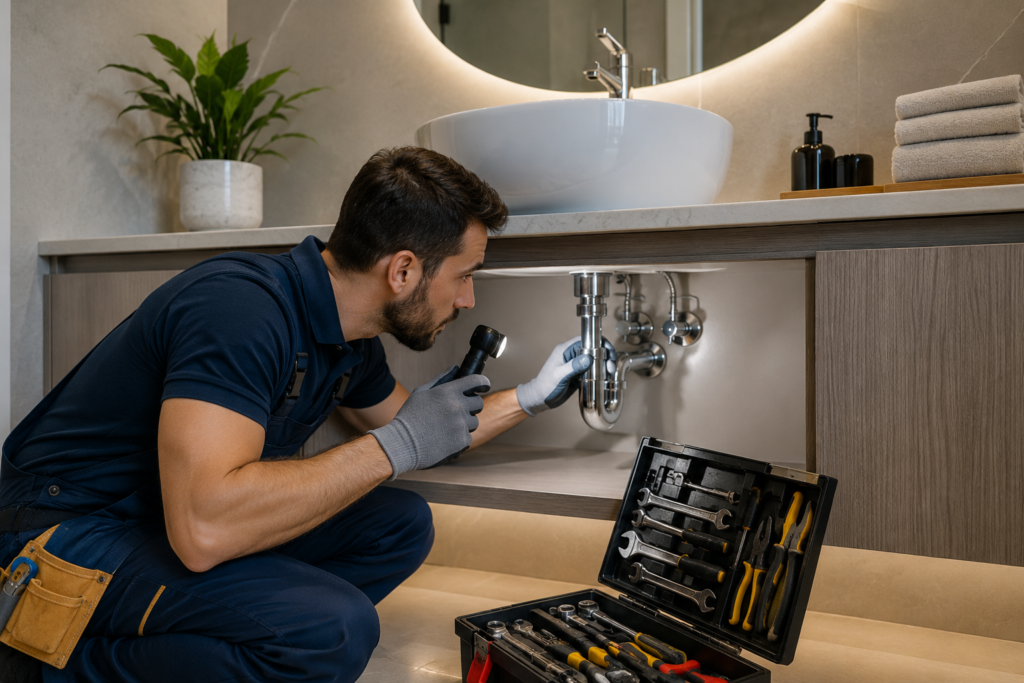
Bathroom Fixture Maintenance Checklist
To help you stay incredibly organized, we have created the ultimate 2026 bathroom maintenance checklist. Print this table out or save it to your phone to ensure you never miss a vital maintenance task.
| Maintenance Task | Frequency | Purpose |
|---|---|---|
| Squeegee Glass & Tiles | Daily | Removes excess water to prevent mold and water spots. |
| Wipe Chrome Fixtures | Daily | Stops hard water minerals from drying and staining taps. |
| Clean Toilet Bowl | Weekly | Maintains hygiene and prevents hard water ring stains. |
| Clean Washbasin & Counters | Weekly | Removes soap scum, toothpaste residue, and bacteria. |
| Wash Shower Curtains/Mats | Bi-Weekly | Eliminates trapped odors, mildew, and hidden bacteria. |
| Flush Drains with Boiling Water | Monthly | Melts away soap grease and clears minor hair clogs. |
| Tighten Loose Handles/Screws | Monthly | Prevents mechanical wear and tear on handles and seats. |
| Clean Showerhead Nozzles | Quarterly | Removes limescale to maintain perfect water flow and pressure. |
| Inspect Grout and Sealant | Bi-Annually | Identifies cracking silicone to prevent water seepage. |
| Deep Clean Exhaust Fan | Bi-Annually | Removes heavy dust buildup to ensure maximum airflow. |
| Check Under-Sink Hoses | Bi-Annually | Looks for rusting or bulging hoses before they burst. |
| Professional Plumbing Inspection | Yearly | Identifies hidden leaks, tests pressure, and checks geysers. |
Common Mistakes to Avoid
Even with the best intentions, homeowners often make critical errors that destroy their bathrooms. Avoid these common pitfalls to truly extend bathroom fixture life:
- Using Abrasive Cleaners: Scrubbing powders, steel wool, and heavy-duty toilet acids strip the chrome plating off fixtures, leaving them permanently dull and susceptible to rust.
- Ignoring Minor Leaks: Assuming a small drip is harmless is a massive mistake. Minor leaks waste massive amounts of water and eventually lead to major pipe blowouts.
- Poor Ventilation: Showering with the windows closed and the exhaust fan off traps steam, leading to guaranteed black mold and peeling paint on your ceiling.
- Forgetting Grout Maintenance: Never assume grout lasts forever. Ignoring cracked grout allows water to seep under tiles, ruining your bathroom’s structural waterproofing.
- Using Harsh Chemical Drain Cleaners: Pouring acid or heat-generating chemicals down blocked drains can melt PVC pipes and destroy the seals connecting your plumbing.
- Skipping Hard Water Treatment: Allowing hard water scale to build up on your fixtures calcifies the internal cartridges, rendering expensive mixer taps completely useless.
- Delaying Repairs: Putting off a wobbly toilet seat or a loose faucet handle puts extra mechanical stress on the fixture, eventually causing it to snap or break entirely.
Final Thoughts
Implementing these expert bathroom maintenance tips is not about working harder; it is about working smarter. By dedicating just a few minutes each day to wiping down surfaces, and a couple of hours a month to deeper inspections, you completely transform the lifespan of your bathroom.
Remember, consistency is your best tool against rust, mold, and costly water damage. Whether you are dealing with India’s notorious hard water or the heavy humidity of the monsoon season, proactive care will protect your investment. Keep your fixtures clean, ensure excellent ventilation, address leaks the moment they appear, and avoid harsh chemicals at all costs.
Conclusion
A beautiful, functional bathroom requires a little love and a lot of consistency. By following this complete maintenance guide, you can confidently keep your space looking pristine and working flawlessly.
However, if your bathroom is already showing signs of severe wear and tear, it might be time for a professional touch. Do you have stubborn hidden leaks, heavily calcified fixtures, failing waterproofing, or damaged tiles? Or perhaps you are simply ready to upgrade your space to a modern, luxurious oasis?
Don’t wait for a plumbing disaster to strike!
If you need expert bathroom renovation, fixture replacement, advanced waterproofing, plumbing repairs, or complete bathroom remodeling, we are here to help. Contact our expert team today for a free, no-obligation consultation. Let our professionals handle the hard work so you can enjoy the beautiful, hassle-free bathroom you truly deserve!